Sri Lanka Travel Blog: Expert Insider Guides & Stories 2026
Expert Travel Insights
Understanding Sri Lankan Culture and Hospitality
Travelers often come to Sri Lanka for the beaches and the elephants, but they leave remembering the people. There is a reason this island is frequently voted as having some of the friendliest people in the world.
Here, hospitality is not just a job in the tourism industry; it is a way of life deeply rooted in centuries of tradition and spiritual belief. The culture here is built on connection, kindness, and a genuine curiosity about others. When you visit, you are rarely treated as a stranger—you are treated as a guest in a home.
To truly connect with locals and experience this warmth firsthand without the barrier of a tour bus, we recommend planning your journey with Travel King Sri Lanka. Our local drivers act as your cultural translators, opening doors to authentic interactions you might otherwise miss.
1. The Meaning of Ayubowan
A Traditional Greeting
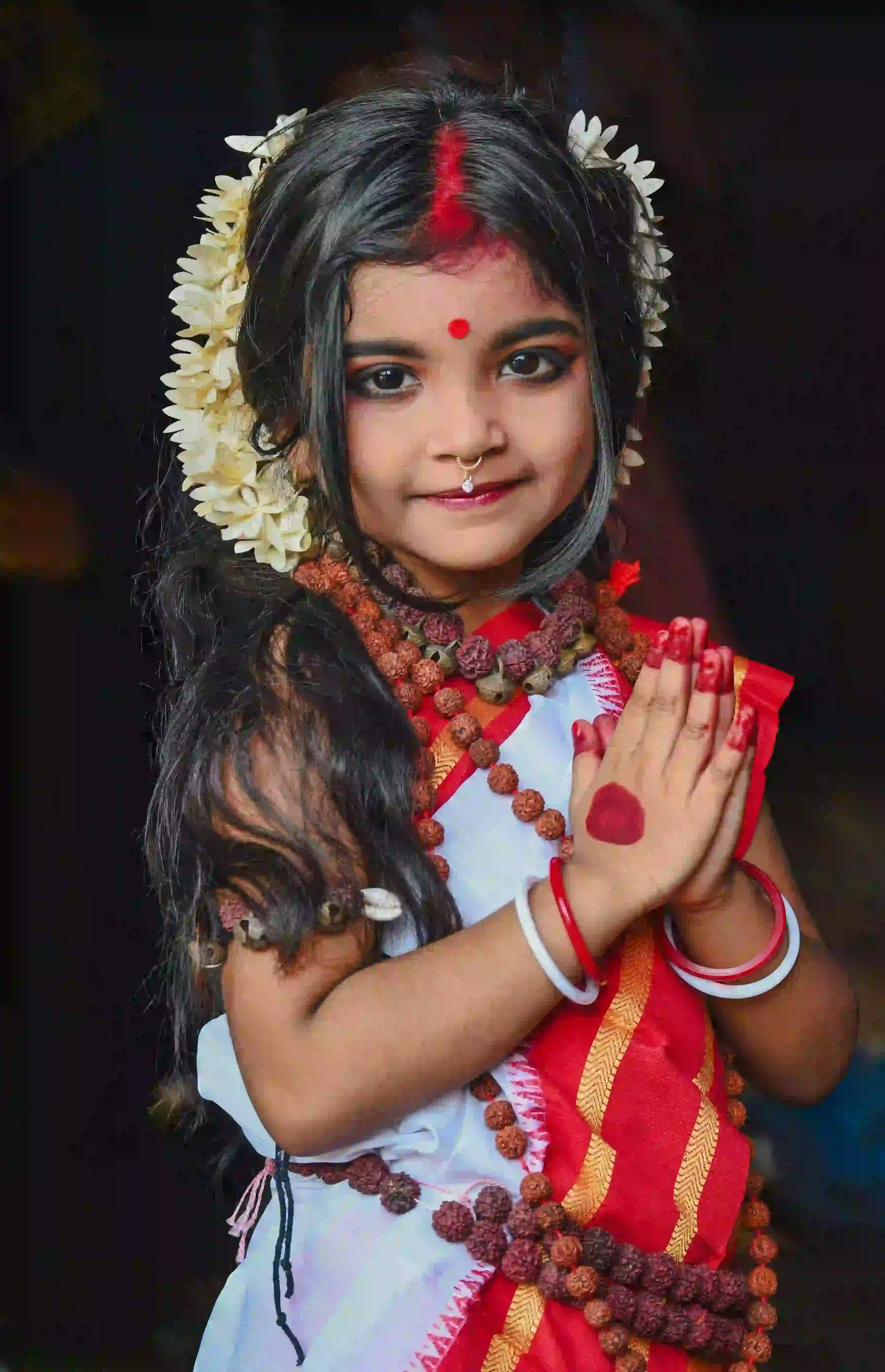
Your cultural journey begins with a single word: Ayubowan. You will hear this everywhere, from the flight attendant to the hotel doorman. It is the traditional greeting, accompanied by bringing two palms together at the chest.
More Than Just Hello
But it means much more than just Hello. It translates to "May you have a long life." It is a blessing bestowed upon everyone you meet. When a Sri Lankan greets you this way, they are taking a moment to wish for your health and longevity. It is a beautiful reminder of the value the culture places on life and well-being.
2. The Smile: A Universal Language
The Power of a Smile
Sri Lankans are famous for their smiles. It is often said that you can travel from the north to the south without a map, guided only by the smiles of the locals. In 2026, despite the modern world moving faster, this hasn't changed.
Social Harmony
Whether you are walking through a village or buying fruit in a market, making eye contact is almost always met with a warm, genuine grin. It is a culture that values happiness and social harmony. If you ever feel lost or unsure, just smile, and you will almost certainly find someone willing to help.
3. The Guest is Gold
An Honor to Host
In a Sri Lankan home, the guest is given the highest priority. If you are lucky enough to be invited to a local home for tea or a meal, you will experience this first-hand.
The Joy of Sharing
Hosts will often serve you more food than you can possibly eat, and they will wait until you have started eating before they do. It is considered an honor to feed a guest. Refusing food can sometimes be seen as polite initially, but accepting it brings immense joy to your host. It is a culture of generosity where sharing what little you have is considered a great virtue.
4. A Calendar of Festivals
Kandy Esala Perahera
Sri Lanka has more public holidays than almost any other country, and this reflects the people's love for celebration and religion.
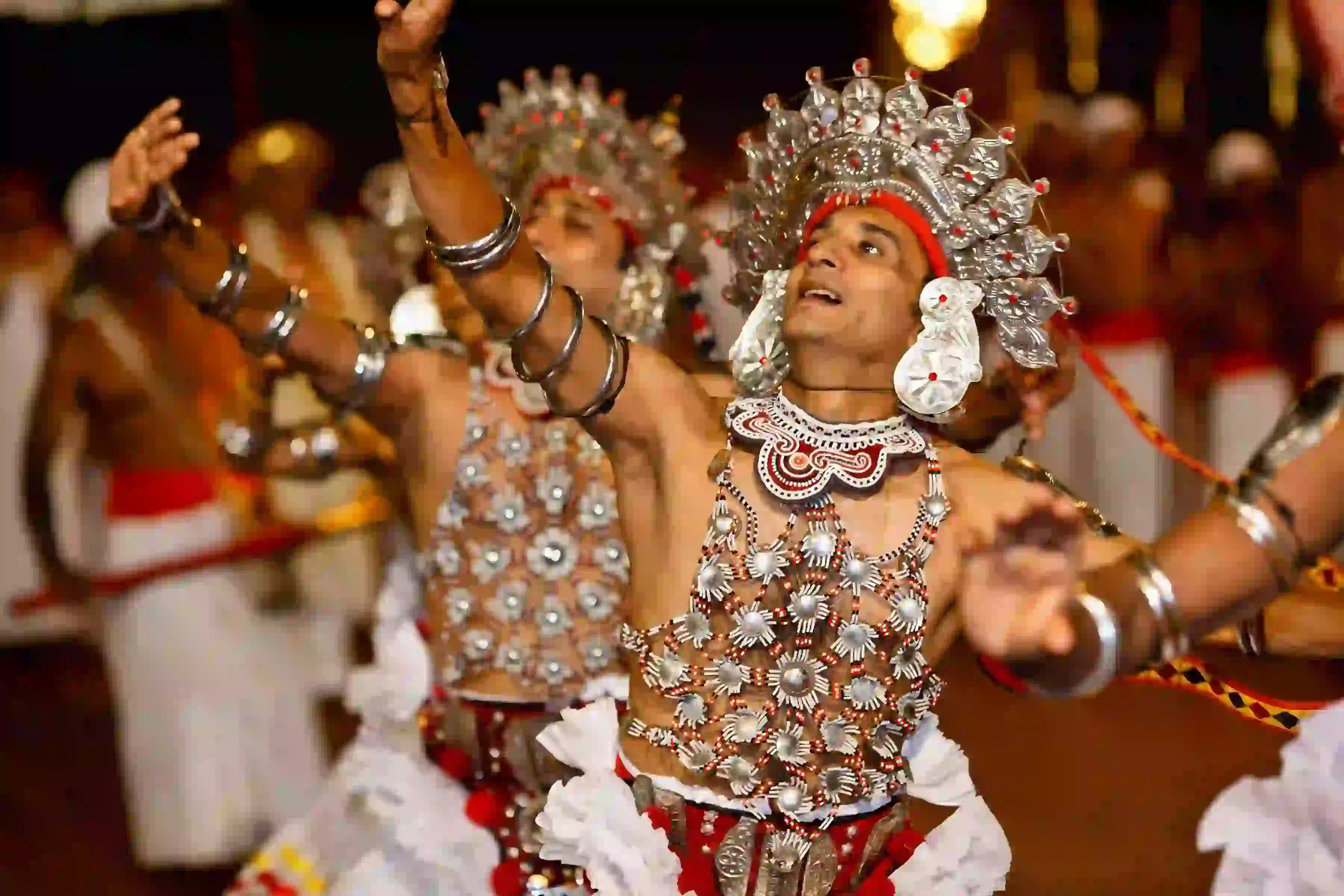
The most famous is the Kandy Esala Perahera, a massive pageant of elephants, dancers, and drummers that honors the Sacred Tooth Relic of the Buddha.
The Festival of Light (Vesak)
Another beautiful time is Vesak (usually in May), the festival of lights. During Vesak, locals set up Dansals—free food stalls by the roadside where they give out rice, ice cream, or coffee to anyone passing by, rich or poor. It is the ultimate expression of community giving.
5. Unity in Diversity
Harmony in Daily Life
While the news sometimes focuses on history, the daily reality of Sri Lanka is one of incredible harmony. It is one of the few places on earth where you can wake up to the sound of temple bells, hear the call to prayer from a mosque at lunch, and see a church procession in the evening.
Adam's Peak (Sri Pada)
A perfect example is Adam's Peak (Sri Pada). This holy mountain is a pilgrimage site for all four major religions. Buddhists believe the footprint at the top belongs to Buddha, Hindus to Shiva, Muslims to Adam, and Christians to St. Thomas. During the season, you will see grandmothers, children, and devotees of all faiths climbing the thousands of steps together, helping each other up the mountain.
6. Respect for Elders
Interdependence Over Independence
Family is the pillar of Sri Lankan society. Unlike in many western cultures where independence is prioritized, here, interdependence is celebrated.
Caring for Elders
Children often live with their parents until marriage (and sometimes after), and caring for elderly parents is seen as a noble duty, not a burden. You will see this respect in how people interact; younger people will often slightly bow or lower their posture when speaking to an elder as a sign of deference. It creates a society that feels safe, nurturing, and deeply connected.
7. The Art of Patience (Shanti)
Mastering Island Time
Life in the tropics moves at a different pace, and Sri Lankans have mastered the art of patience. Things may not always run exactly on time, but there is rarely anger about it.
The Lesson of Shanti
This 'island time' is a lesson for visitors. If a train is late or a meal takes a while, locals will simply chat with their neighbor or enjoy the breeze. Learning to embrace this slow, relaxed rhythm is the key to enjoying your holiday. It is a culture that prioritizes the present moment over the schedule.
8. Connecting with the Soul of Sri Lanka
Meet the Locals
The temples and ruins are majestic, but the stories of the people are what you will tell your friends about back home.
To ensure you have these authentic interactions—stopping to watch a game of cricket by the road, or drinking a fresh King Coconut with a village elder—you need a guide who understands the local heartbeat. Book your trip with Travel King Sri Lanka. We don't just show you the sights; we introduce you to our friends.