Sri Lanka Travel Blog: Expert Insider Guides & Stories 2026
Expert Travel Insights
Weather Update: Is it Safe to Travel to Sri Lanka Right Now?
If you have been watching the news or scrolling through TikTok recently, you might have seen alarming headlines about flooding or erratic weather in South Asia. It is natural to worry and ask yourself if your holiday is ruined or if it is even safe to go at all.
The short answer is: Yes, it is safe.
While tropical weather can be unpredictable, the headlines often paint a broad picture that doesn't reflect the reality on the ground. Sri Lanka is a tropical island, which means rain is part of life, but it rarely affects the whole country at once. In early 2026, while some isolated regions are recovering from seasonal rains, the primary tourist zones are basking in glorious sunshine.
Don't let general weather reports cancel your dream trip. Instead, plan smarter. We recommend you come visit Sri Lanka with Travel King Sri Lanka, where our local drivers navigate the roads daily and keep you in the sunshine.
1. The Tale of Two Monsoons
To understand the weather here, you must understand that it is never raining everywhere at once. The island has two opposing monsoon seasons that hit different sides of the country at different times.
The South-West & North-East Monsoons
The South-West Monsoon (Yala) affects the south and west coasts from May to September. The North-East Monsoon (Maha) affects the north and east coasts from October to January.
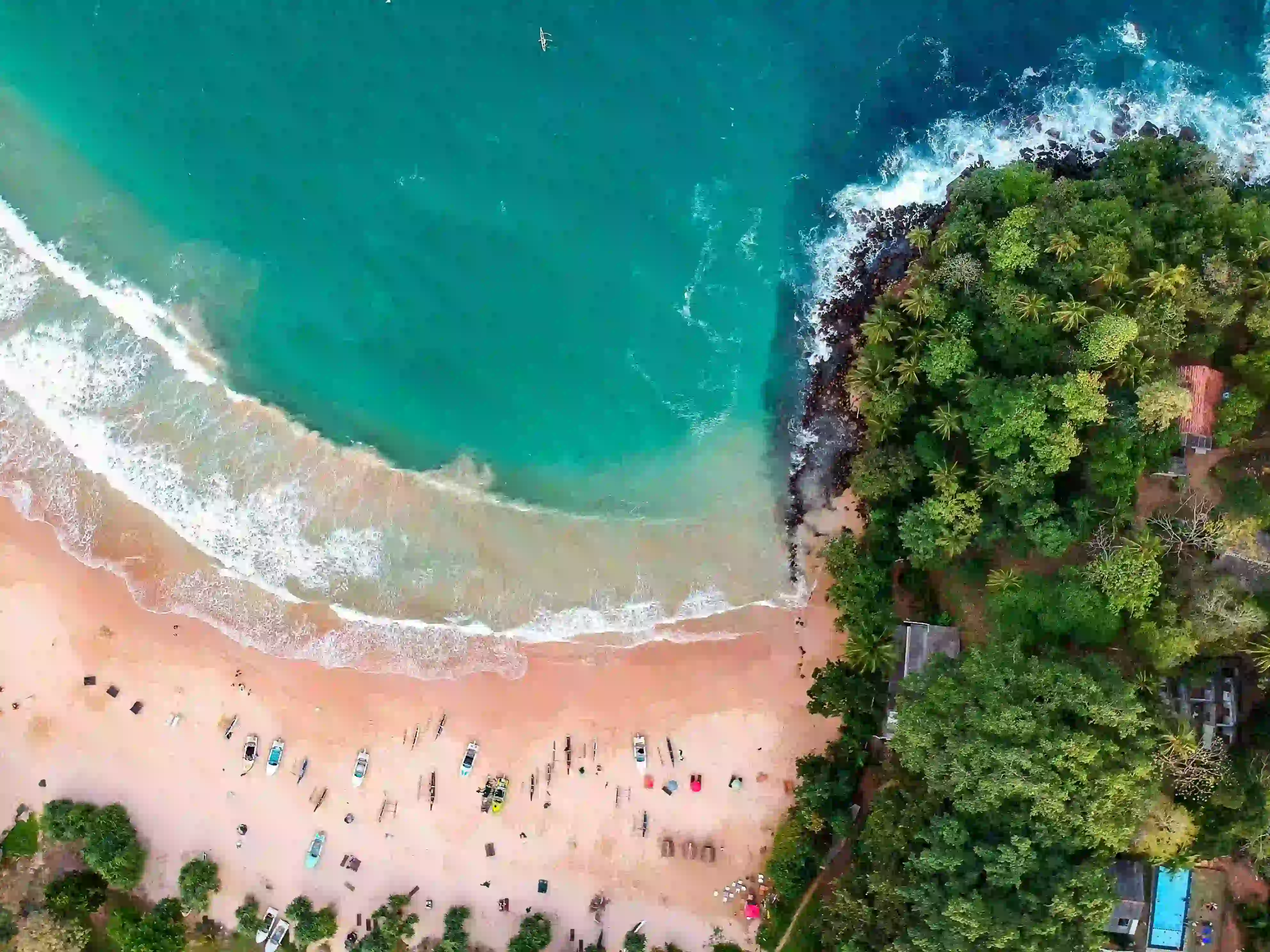
We are currently in the peak season for the South and West coasts. This means popular destinations like Galle, Mirissa, Hikkaduwa, and the capital, Colombo, are generally experiencing dry, sunny days and calm seas perfect for swimming. If you are reading reports about rain or storms, they are likely referring to the North or East, or the deep interior, which you can easily avoid during this time of year.
2. Addressing the Headlines: Floods and Cyclones
You may have searched for information about cyclones recently. It is true that the region can see active weather systems, but Sri Lanka's tourism infrastructure is incredibly resilient.
Tourist Hubs Are Open
Major tourist hubs like Kandy, Ella, and Sigiriya are fully operational. Hotels are open, restaurants are serving food, and the cultural sites are welcoming visitors. While some minor rural roads in the remote hill country might face disruptions after heavy rains, the main highways and expressways are clear and functioning normally.
Flooding is usually localized to river banks in specific wet zones and rarely affects tourist hotels or coastal resorts, which are designed to handle tropical weather.
3. Health and Safety: The Real Risks
The biggest weather-related risk isn't getting caught in a flood—it is actually mosquitoes. Rain brings mosquitoes, which can carry Dengue fever. This is a common tropical issue, but it is easily managed.
Stay Protected
To stay safe, simply bring a strong insect repellent. Locally sold brands containing Citronella are very effective. Most good hotels will provide mosquito nets for your bed. Also, stay hydrated, but stick to bottled water to ensure your stomach stays happy.
4. Why You Shouldn't Wing It This Year
In previous years, backpacking and taking public buses was a very easy way to get around. However, post-rain road repairs can sometimes mean sudden detours that apps like Google Maps haven't updated yet.
The Private Driver Advantage
The best solution is to hire a private driver. A local expert knows exactly which roads are smooth and which scenic routes are currently best to avoid due to weather conditions. They have real-time knowledge that an app cannot provide.
Don't gamble with your safety or your valuable holiday time. Book your transport with Travel King Sri Lanka. We monitor the weather 24/7 and will proactively adjust your itinerary to ensure you are always chasing the sun, not the storm.