Sri Lanka Travel Blog: Expert Insider Guides & Stories 2026
Expert Travel Insights
What is Ceylon? A Guide to the People, Food, and History of Sri Lanka
You might have seen the word Ceylon printed on a box of tea in your kitchen or seen it listed as the origin of a sapphire in a jewelry store. But did you know that Ceylon is actually the former name of a vibrant, tropical nation that has been captivating travelers for over 2,500 years?
If you are asking yourself, Where is Sri Lanka? or wondering if it is the right destination for your next holiday, you have found the right guide. This island is a sensory explosion, famous for its ancient roots, incredible biodiversity, and spicy cuisine. It is a place where modern cafes in Colombo sit comfortably alongside temples that have stood since before the time of the Roman Empire.
To truly understand the depth of this culture, you need to see it firsthand. We recommend you come visit Sri Lanka with Travel King Sri Lanka, where we turn cultural curiosity into immersive, real-world experiences.
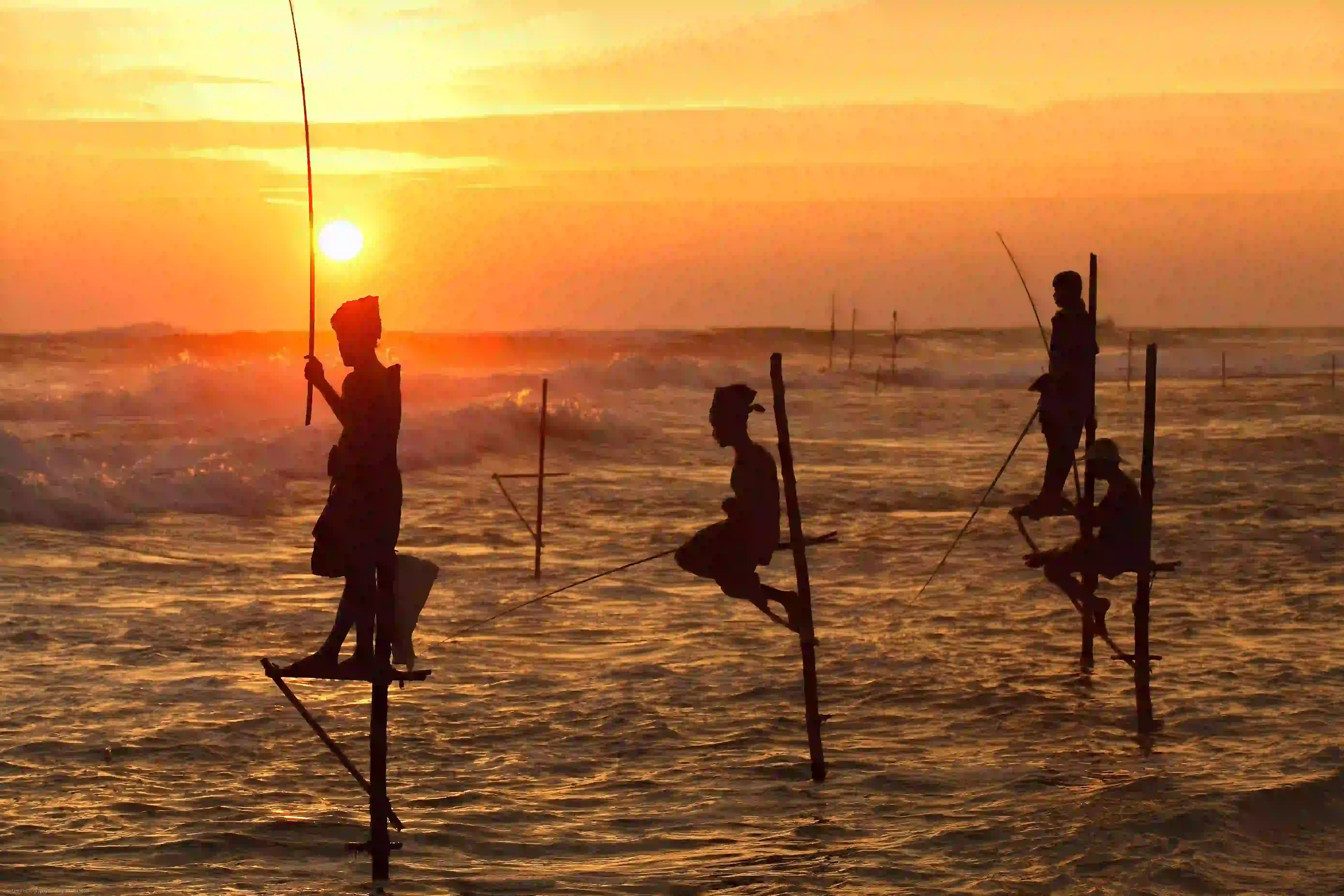
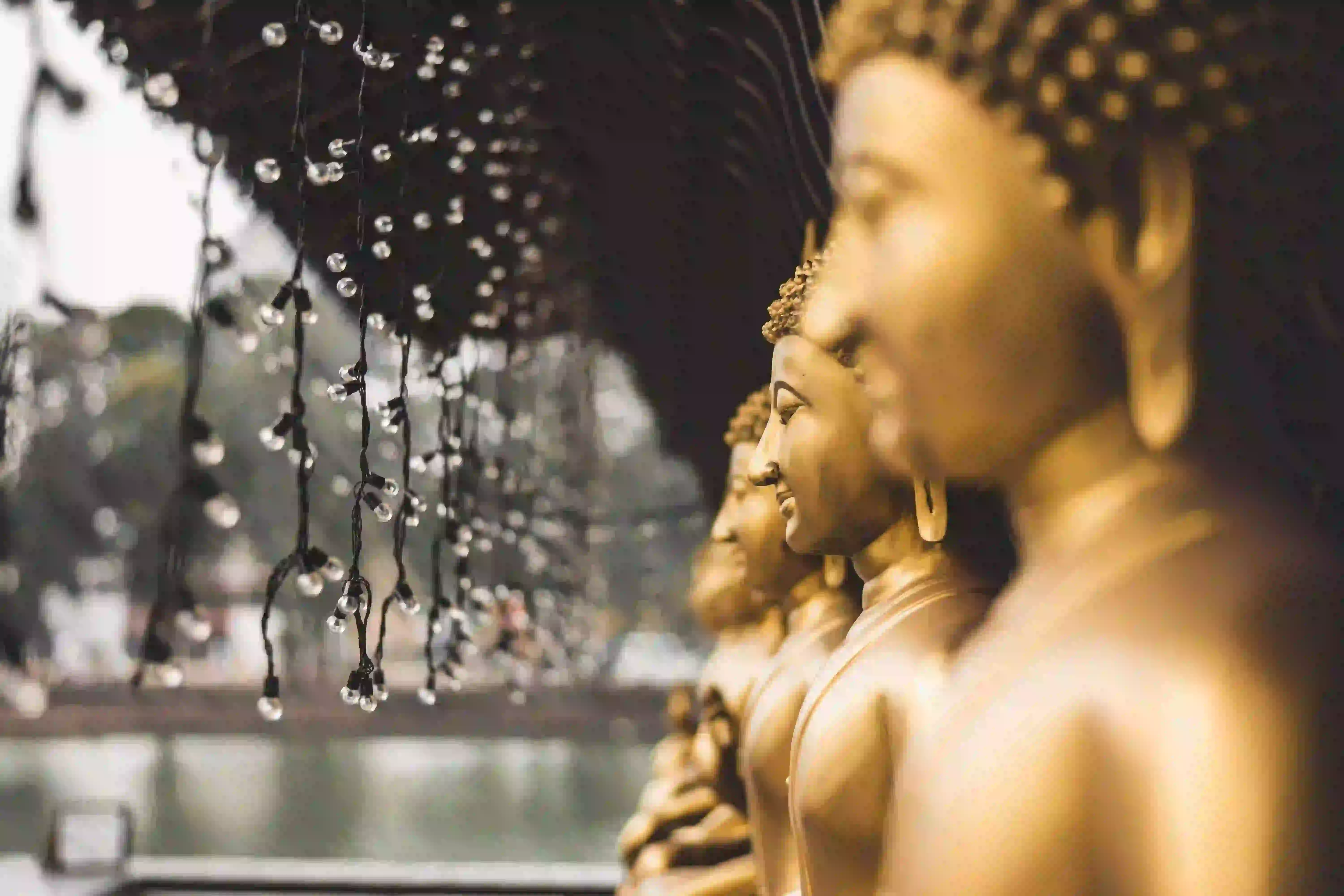
1. Geography 101: Where is Sri Lanka?
First things first: Is Sri Lanka a country? Yes, absolutely. It is a fully independent island nation located in the Indian Ocean, just southeast of the southern tip of India. It covers an area of approximately 65,610 square kilometers, making it roughly the size of West Virginia or Ireland.
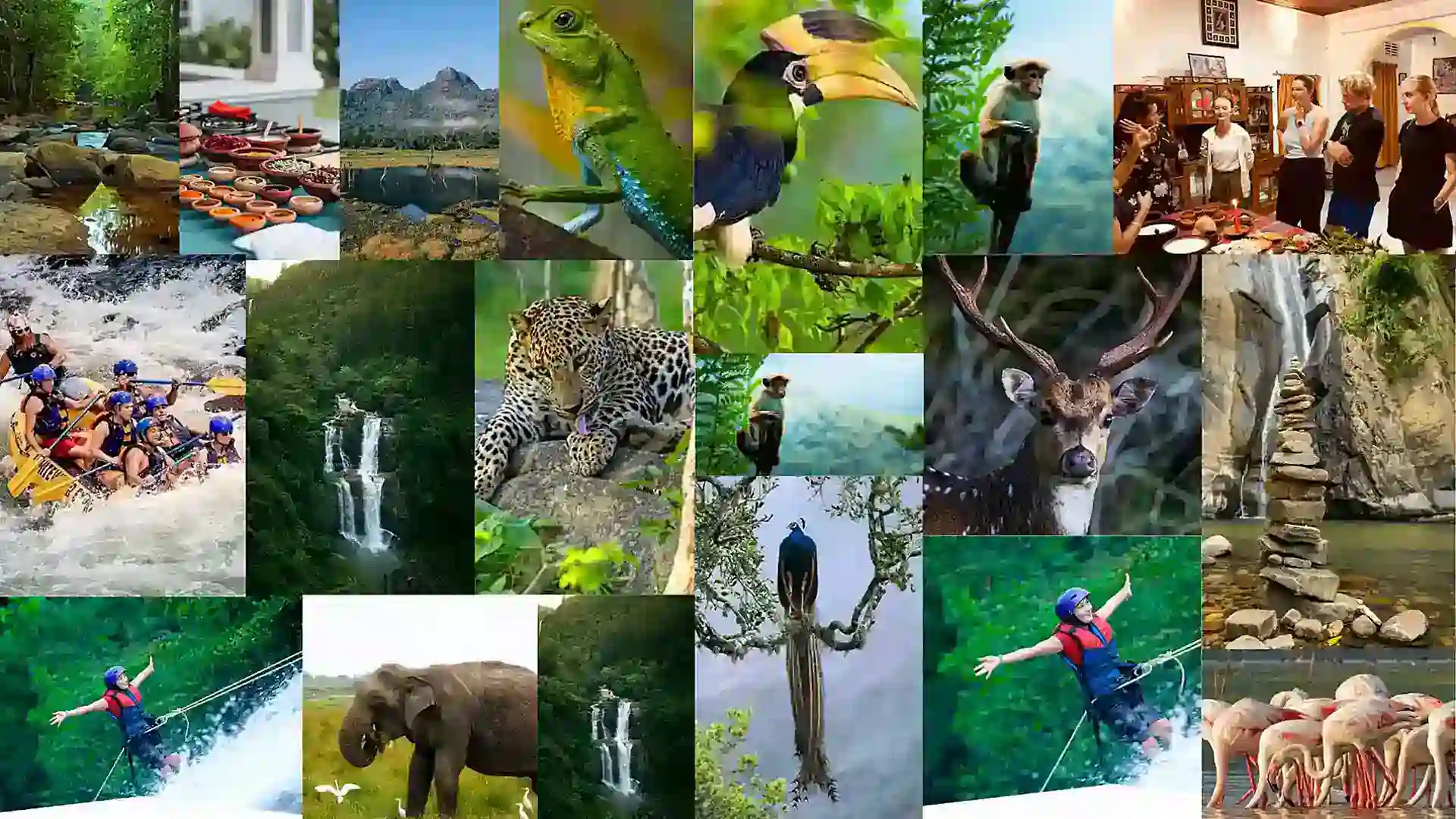
Often called the Teardrop of India due to its distinct shape, it sits on a key maritime trade route that has connected the East and West for thousands of years. Despite its relatively small size, it packs a massive punch in terms of biodiversity. You can travel from the tropical rainforests of the Sinharaja Reserve to the cool, misty central highlands (rising over 2,500 meters) in just a few hours. The island is surrounded by golden beaches and warm waters, making it a year-round destination.
2. The Name: From Ceylon to Sri Lanka
The island has been known by many names throughout history, reflecting its importance to global explorers. The ancient Greeks called it Taprobane, and the Arabs called it Serendib, which is actually the root of the English word 'serendipity'—meaning a happy, unexpected discovery.
When the British colonized the island in the 19th century, they anglicized the Portuguese name Ceilão to Ceylon. This name stuck for over a century. However, in 1972, the country officially became a republic and restored its historic name to Sri Lanka. In Sanskrit, Sri means Resplendent or Holy, and Lanka means Island.
Even though the country is now Sri Lanka, the brand name Ceylon remains world-famous. It is still used to market the country's premium exports, specifically Ceylon Tea, Ceylon Cinnamon (true cinnamon), and Ceylon Sapphires, which are regarded as some of the finest in the world.
3. The People and Faith: A Melting Pot
As of 2026, the Sri Lanka population stands at approximately 22 million people. What makes this island special is that it is a true melting pot of ethnicities and religions, all living together on one small island. The literacy rate is over 92%, which is one of the highest in the region.
Ethnic Diversity
The majority of the population are Sinhalese (approximately 74.9%), followed by Sri Lankan Tamils (11.2%), Sri Lankan Moors/Muslims (9.2%), and Indian Tamils (4.2%). There are also smaller communities of Burghers (descendants of European colonists) and Malays.
Religious Harmony
Religion is a daily part of life here. Buddhism is followed by about 70.2% of the population, mostly within the Sinhalese community. Hinduism is practiced by about 12.6%, primarily among Tamils. Islam is followed by 9.7%, and Christianity is practiced by 7.4% of the population across both Sinhalese and Tamil groups. It is common to see a Buddhist stupa, a Hindu kovil, a mosque, and a church all within the same city block.
4. The Lion Flag: An Icon
The Sri Lanka flag is one of the most complex and recognizable in the world. It is often cited as one of the oldest flags still in use, dating back to 162 BC. Every element has a specific meaning.
The golden lion holding a sword represents the bravery of the nation and its sovereignty. The maroon background represents the majority Sinhalese community. However, the flag was designed to be inclusive. The vertical orange stripe represents the Tamil community, and the vertical green stripe represents the Muslim community.
In the four corners of the maroon box, you will see four bo leaves (from the sacred Bodhi tree). These represent the four Buddhist virtues that the nation aspires to: Metta (Loving-kindness), Karuna (Compassion), Mudita (Sympathetic Joy), and Upekkha (Equanimity).
5. A Taste of Fire: Sri Lankan Food
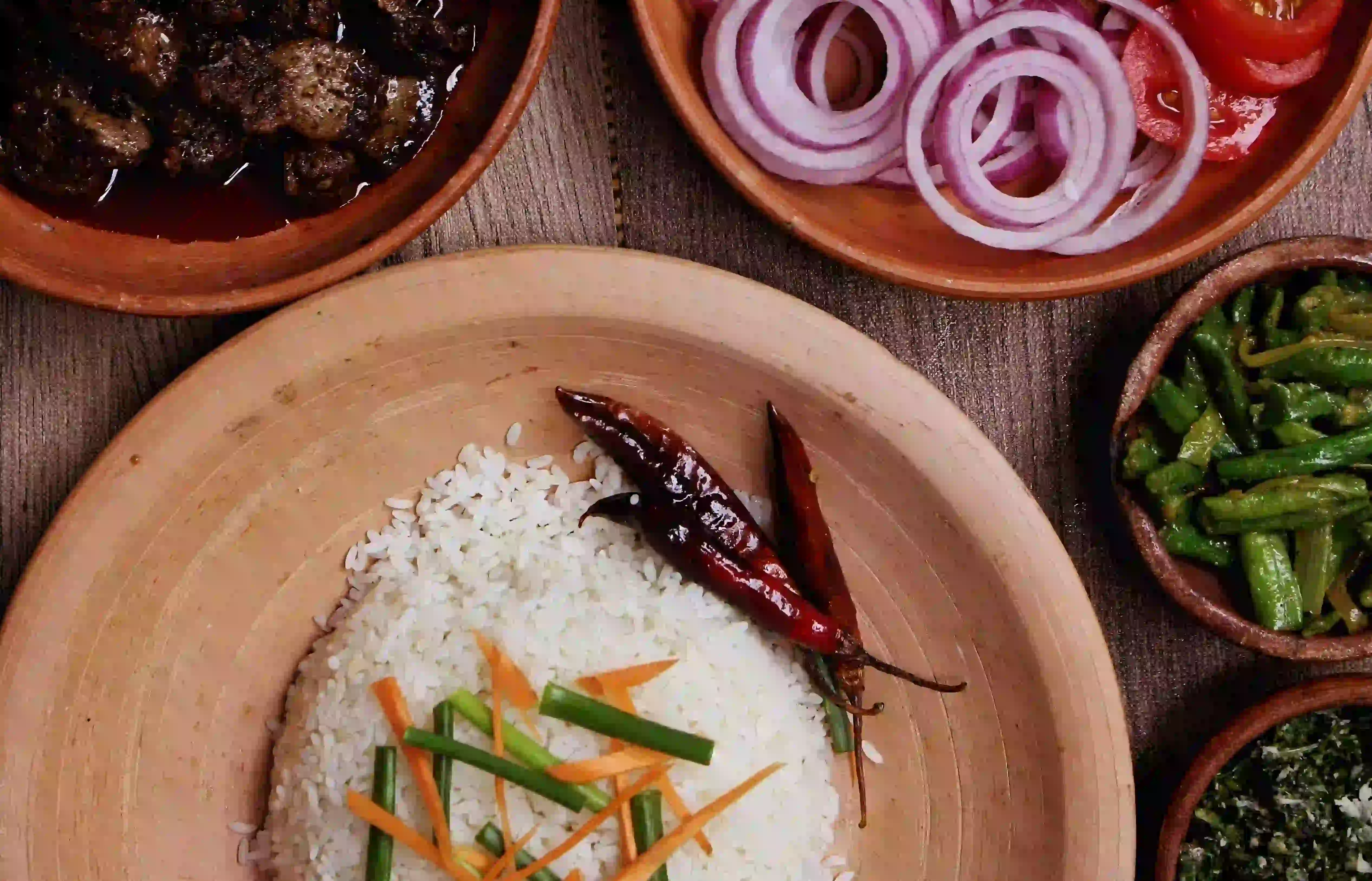
If you love flavor, you will love Sri Lankan food. While it shares some similarities with South Indian cuisine, it is distinctively unique. Sri Lankan food uses heavy amounts of coconut milk, which makes curries creamy, and Maldive fish (cured, dried tuna), which adds a savory punch.
Rice and Curry
This is the staple diet. It is not just one dish, but a banquet. You are served a large portion of rice accompanied by 5 to 10 different curries, ranging from lentils (dhal) to beetroot, jackfruit, fish, or chicken.
Hoppers (Appa)
These are bowl-shaped pancakes made from fermented rice flour and coconut milk. They are crispy on the edges and soft in the middle. An Egg Hopper has a whole egg cooked into the center.
Kottu Roti
This is the ultimate street food and a must-try. It consists of chopped flatbread (godamba roti) stir-fried on a hot metal griddle with vegetables, eggs, meat, and a spicy curry sauce. The cooking process is famous for its rhythmic beat as the chef chops the metal blades against the griddle.
6. Experience the Culture Live
Reading about the culture is one thing; tasting the spices and meeting the people is another. The best way to understand Sri Lanka is to immerse yourself in it.
Don't just be a tourist—be a guest. Book your cultural tour with Travel King Sri Lanka. From cooking classes with local families where you learn to grind spices, to guided temple tours that explain the history behind the statues, we ensure you leave with a deeper understanding and appreciation of this beautiful island.